


Subcontractor Management Software: The Piece Most Construction Platforms Miss
• 8 min read
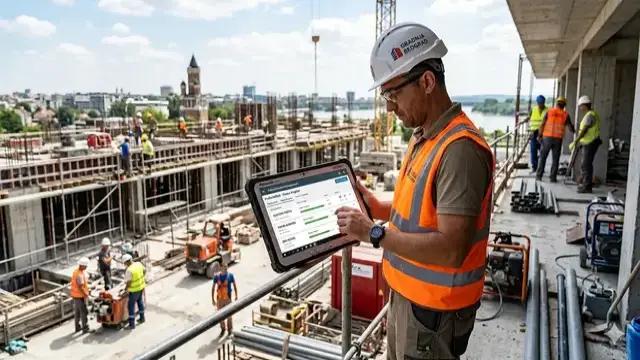
On most commercial construction projects, 70–85% of the actual work is performed by subcontractors. The GC manages the schedule, the coordination, the owner relationship, and the contractual structure — but the people doing the physical work are employed by electrical contractors, mechanical contractors, concrete subs, specialty facade companies, and dozens of others.
Given this reality, it's remarkable how poorly most construction software handles the subcontractor relationship. The leading platforms are designed around the GC's perspective — their documents, their schedule, their reporting needs. Subcontractors are secondary users at best: they receive notifications, submit some forms, and view documents. The actual management of subcontractor work, performance, compliance, and commercial relationship is largely manual.
This is where a significant amount of construction project risk lives. And increasingly, it's where purpose-built software is delivering substantial value.
Why Subcontractor Management Is Architecturally Complex
The subcontractor relationship in construction has characteristics that make it genuinely difficult to model in software:
Multi-party data ownership. A subcontract creates a commercial and operational relationship between two companies with separate systems, separate data, and different interests. The data generated by subcontractor performance — daily logs, quality inspections, safety incidents, milestone completion — belongs to the project, but the parties have different views on what it should show.
Contractual variability. Every subcontract is slightly different. Scope of work, payment terms, retention rates, liquidated damage clauses, insurance requirements, milestone schedules — these vary by trade, by project, by negotiation. Software that models subcontract management needs to accommodate this variability without requiring custom development for every engagement.
Compliance documentation requirements. Before a subcontractor can start work, the GC typically needs: executed subcontract, proof of insurance (and certificates need to stay current throughout the project), W-9, lien waiver forms, safety program documentation, worker qualifications for licensed trades, and project-specific safety training records. Managing this document collection manually, across 40 active subs, is a compliance risk and an administrative burden.
Performance evaluation subjectivity. Subcontractor performance is partly objective (schedule adherence, defect rates, safety incidents) and partly subjective (communication quality, responsiveness to issues, professionalism). Building software that captures both dimensions consistently is harder than it sounds.
Payment complexity. Progress billing, retention, stored materials, back-charges, disputed work — construction payment is complex, and the payment relationship between GC and subs is one of the primary drivers of project disputes. Software that handles this complexity needs to understand construction payment mechanics, not just accounting.
The Gaps in Current Construction Platform Approaches
Most construction platforms treat subcontractors as document recipients rather than as managed relationships. The typical subcontractor experience on a platform like Procore is: receive an invitation, view drawings and specs, submit RFIs and submittals, receive change orders. The tools for managing the subcontractor relationship — prequalification, performance scoring, compliance tracking, commercial management — are either absent or weak.
This gap creates several persistent problems:
Prequalification is manual and inconsistent. Most GCs have a subcontractor prequalification process, but it's often managed in spreadsheets with inconsistent criteria and outdated data. When a project manager wants to engage a specific sub, they may not know that the sub's insurance lapsed, that they had a serious safety incident on another GC's project, or that their financial capacity is insufficient for the scope being considered.
Performance data doesn't persist. A subcontractor who did excellent work on Project A gets treated the same as one who was a persistent problem, because the performance data from Project A never gets formalized into a usable record. Institutional knowledge about sub performance lives in individual project managers' heads, not in a system.
Compliance tracking is reactive. Insurance certificates expire. Safety training records lapse. When GC staff are tracking these manually, the lapses are discovered after the fact — sometimes after an incident has already occurred.
Commercial disputes stem from data gaps. Most subcontractor payment disputes arise from disagreements about what work was completed, when, and to what standard. When daily production isn't tracked, defects aren't documented at the time of identification, and change order scope isn't precisely defined, disputes are inevitable and expensive.
What Comprehensive Subcontractor Management Software Covers
Prequalification and onboarding.
A structured process that collects, stores, and regularly updates the information needed to evaluate subcontractors: financial capacity, insurance coverage, safety record (EMR, OSHA logs), reference projects, trade licenses and certifications, bonding capacity, and past performance data from previous projects.
When a project manager considers a sub for a new project, they query the system rather than calling around for information. The decision is informed, consistent, and documented.
Compliance monitoring and alerts.
Every compliance document — insurance certificate, safety training record, license, bond — has an expiration date. The system monitors these dates and alerts the relevant GC staff before expiration, not after. Automated reminders to the sub and the GC's risk team ensure that lapses are prevented rather than discovered.
Daily production tracking by trade.
The GC knows what each subcontractor was supposed to accomplish today — which activities, which locations, which quantities. At the end of the day (or during the day), sub foremen confirm what was actually accomplished. Variances from plan are visible immediately.
This daily data builds a performance record that's objective and granular. Schedule adherence rates, productivity ratios, rework percentages — these metrics tell the story of sub performance across a project, and they persist for use in future evaluations.
Issue and defect attribution.
When a defect is identified — by the GC's quality team, by an inspector, or by a subsequent trade — it's attributed to the responsible subcontractor in the system. The sub receives notification, submits a remediation plan, and the resolution is tracked. The defect record becomes part of the sub's project performance history.
Change order management with sub integration.
When scope changes, the commercial implications for affected subs are managed through the system: change order requests from subs, GC review and pricing, owner approval, subcontract amendments. The commercial record stays synchronized with the work record.
Progress billing with documentation.
Sub payment applications are submitted through the system, linked to tracked production data. Disputes about the amount of work completed are resolved against the daily production record rather than through argument. Retention calculations, stored materials, and back-charges are handled within the payment workflow rather than in separate manual processes.
The Network Effect of Subcontractor Data
One of the most powerful long-term benefits of systematic subcontractor management is the network effect of persistent performance data.
A GC that manages 50 projects per year, with an average of 30 subcontractors per project, generates 1,500 subcontractor performance data points annually. Over five years, that's 7,500 data points about subcontractor performance — across safety, quality, schedule adherence, commercial behavior, and responsiveness.
This data has compounding value:
- Procurement decisions become much better informed over time. The subs with strong track records get preferred consideration. The subs with consistent problems get filtered out before they're selected.
- Risk identification becomes proactive. When a historically reliable sub starts showing schedule variance on the current project, that anomaly is visible against their historical baseline.
- Bidding and estimation improve when the actual productivity of specific subs on specific work types is in the data.
None of this value exists if the data isn't captured systematically.
Implementation Considerations
Sub onboarding friction must be low. Subcontractors are independent companies with their own systems, their own priorities, and limited patience for platform overhead. The best implementations make the sub's experience as lightweight as possible: mobile-first, minimal required fields, and clear value exchange (faster payment processing, fewer disputes, clearer change order management).
Integration with GC's existing systems is critical. Sub management data needs to connect to the project schedule, the cost management system, and the contract management system. Standalone sub management software that doesn't integrate with the rest of the project management ecosystem creates data fragmentation.
Change management with GC staff. The people who most need to use sub management software — project managers and superintendents — are often the most resistant to additional administrative tools. The software needs to reduce their workload, not add to it.
BuildConTech's Approach
BuildConTech builds subcontractor management capabilities as part of comprehensive construction operations platforms — integrated with tracking, documentation, and cost management rather than as standalone tools. We work as embedded development partners, which means we understand the operational context of your projects before we make architectural decisions.
If subcontractor management is a pain point in your operation or your platform, let's talk.
Related reading: